
Foundations guide
Colorado Local Content Strategy Guide
What to write so that AI answer engines quote you and Colorado searchers trust you: pages built on local knowledge, structured so a machine can lift the answer, and honest enough that a person believes it.
The city-swap problem
The most common local content strategy is also the weakest one: take a service page, copy it twenty times, and swap "Denver" for "Aurora", "Lakewood", "Littleton" and so on down the list. Search engines have been discounting these pages for years. AI answer engines have even less use for them, because there is nothing in a city-swapped page that is specific enough to quote. If every paragraph would be equally true in Omaha, it is not local content.
Local content earns its place when it contains something only a business working in that place would know. Colorado gives you plenty of material: altitude, freeze-thaw cycles, hail, wildfire risk zones, HOA-heavy suburbs, mountain access roads, seasonal tourism, and county-by-county differences in permits and rules.
Before writing a page, finish this sentence: "The thing a customer in this town needs to know that a customer forty miles away does not is..." If you cannot finish it, the page probably should not exist yet.
Four page types that work
Content with real local weight
Hover or tap each panel. Most Colorado businesses need a mix of all four, in proportion to how their customers search.

Place pages
One page per town or area you genuinely serve, each built around what is different there: housing stock, typical jobs, access, local rules, common questions. A Colorado Springs page and a Monument page should not read the same.
Season and climate pages
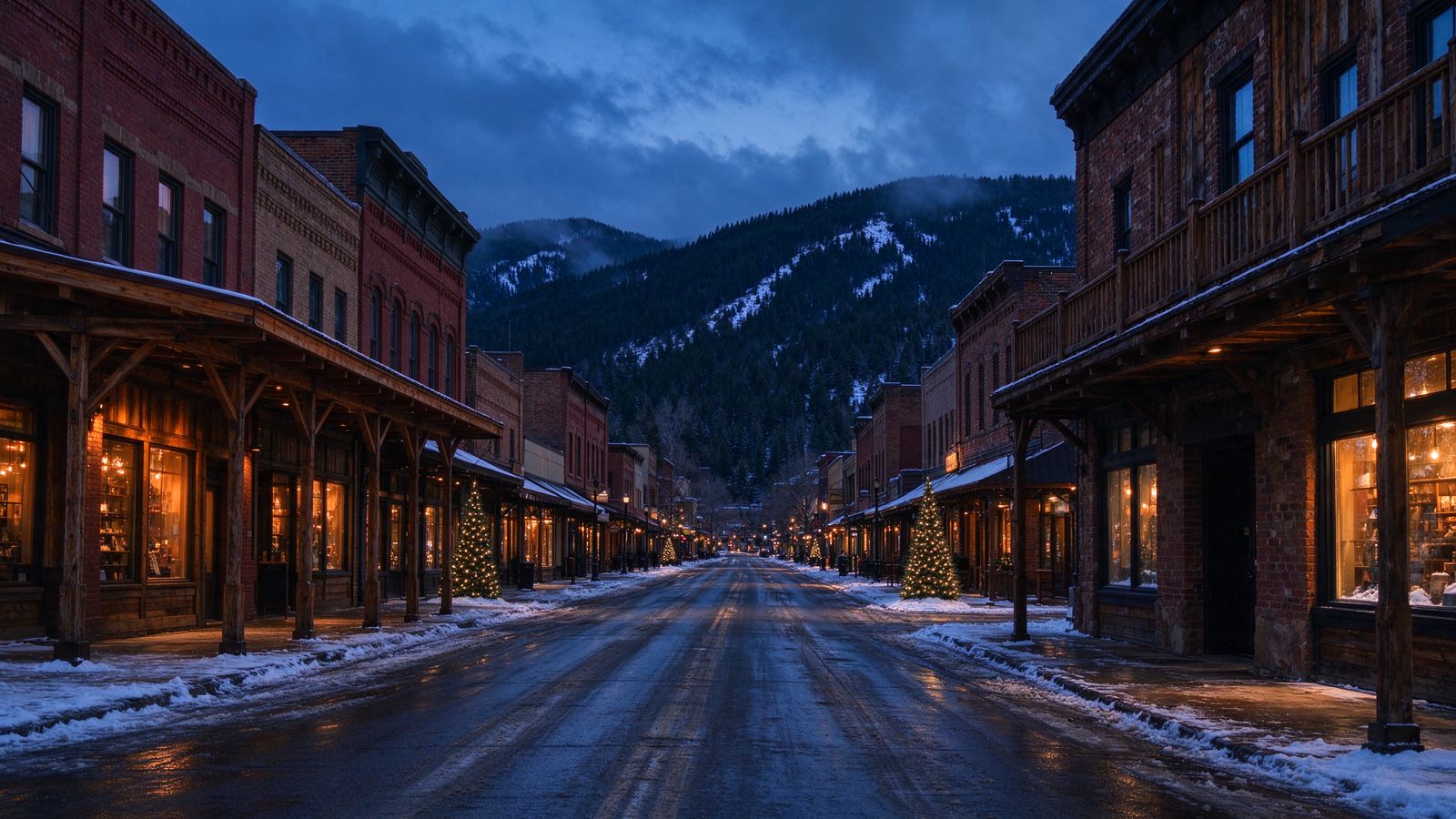
Colorado's weather drives demand: spring hail, early freezes, snow load, wildfire season, dry winters. Pages that explain what to do and when, for your trade, get searched every year.

Rules and process pages
How permits, inspections, HOA approvals or licensing work for your service in a given city or county, with the official source named and a note that rules change. These are prime material for AI answers.

Decision pages
Comparisons and "how to choose" pages: repair or replace, material A or B, what to ask before hiring. They answer the questions people type into ChatGPT before they ever search for a company.
Writing answer-first
AI answer engines quote passages, not pages. So each section of a page should be able to stand on its own as an answer. The structure is not complicated:
- A heading that is the question, or a plain statement of the topic. "Do you need a permit to replace a water heater in Denver?" beats "Permitting Considerations."
- The direct answer in the first one or two sentences. Yes, no, it depends on X. Then the explanation.
- The specifics. Who issues the permit, what the inspection checks, what changes in a neighboring city. Name the source.
- What to do next. A link to the service page, or the next question a reader usually has.
This is good writing for people too. Nobody wants three paragraphs of preamble before the answer.
Customers mostly find you by town name
Start with place pages for your two or three strongest towns, written properly, before adding more.
Your phone rings after storms or freezes
Season pages first, published before the season starts, not during it.
Customers ask the same pre-sale questions
Decision pages. Every repeated question on a sales call is a page waiting to be written.
Your work involves permits or licensing
Rules pages, carefully sourced and dated, because AI tools are asked these questions constantly.
Colorado detail that actually counts
Local detail only helps when it is accurate and relevant. A paragraph about Pikes Peak on a plumbing page is decoration. A paragraph about how a cold snap affects exposed pipes in older Colorado Springs homes is content. Some categories of detail that tend to be useful, depending on your trade:
- Altitude and climate. Baking, brewing, HVAC sizing, sun exposure and paint, irrigation, roofing: Colorado's elevation and dry, sunny climate change the answer.
- Geography and access. Foothills driveways, mountain passes, I-70 and I-25 traffic patterns, how far you will actually travel.
- Local rules. City and county building departments, HOA covenants common in suburbs like Highlands Ranch and Castle Rock, fire restrictions in mountain counties. Link to the official source and date your page.
- Local vocabulary. "NoCo", "the Springs", "the Front Range", "mud season". Use the words your customers use.
Never invent local facts to make a page feel local. A wrong permit fee or an outdated rule on your site can be repeated by an AI tool to hundreds of people, attributed to you. If you are not sure, leave it out or point to the official source.
Planning the content calendar
Colorado search demand is seasonal for many trades, so the calendar matters. Publish ahead of demand: hail and roofing content in early spring, wildfire mitigation before summer, snow removal and furnace content before the first hard freeze, tourism content before booking windows open (our mountain town guide goes deeper on that). Pages need time to be crawled, indexed and picked up by answer engines before the demand arrives.
A realistic pace for a small business is a few strong pages a month, each one updated when something changes, rather than a large batch of thin pages. Old pages that are still accurate can be the best performers. Revisit them yearly and update the date only when the content actually changed.
What to avoid
- City-swapped pages with the same body text.
- Blocks of town names in the footer or at the bottom of pages.
- Unsourced statistics and invented local facts.
- AI-generated filler that says nothing a reader could act on.
- Pages for towns you do not actually serve.
Good local content is slower to produce than the alternatives, and it lasts. It is also the part of GEO and SEO that competitors find hardest to copy, because it depends on knowing the work and the place. If you want help deciding which pages to write first, the free audit includes the customer questions your site leaves unanswered. For the technical side of making those pages findable, see the technical SEO checklist.
Keep climbing
More Colorado GEO and SEO guides
Each guide covers one part of the same climb. Start with whichever one matches the gap you already suspect.
Want this checked for your business?
- A record of what AI tools say about your category in your Colorado town.
- The listing and technical issues worth fixing first.
- A plain-language summary by email, at no cost.